
I felt like I was about to sit an important exam. My stomach was churning, my nerves were all over the place, and I hadn’t slept particularly well. All I could think about was that first turn of the pedals. I’d replayed the start of the journey in my head so many times that I was beginning to wonder whether I’d already ridden the first few kilometres in my sleep.
Melbourne was firmly planted in my imagination. I could picture myself arriving in the city, taking that final pedal stroke and finally being able to say, “I did it!”
But first, I had to get there.
This was Day 1 of a 900-kilometre (560-mile) solo cycling adventure, planned over 13 days. I was on my own, carrying everything I needed to survive along the way. Food, water, camping equipment, clothing and enough tools to keep the bicycle rolling. Well, hopefully. My previous training rides hadn’t exactly filled me with confidence about the mechanical reliability of my equipment.
I suspected Day 1 would be one of the toughest. Getting out of the ACT meant tackling several climbs through some fairly rugged country. Much of the territory around Canberra is made up of national parks, mountain ranges, beautiful valleys and quiet country roads. It is spectacular cycling country, provided you don’t mind climbing mountains to enjoy it.
Being on my own also brought a certain sense of adventure. I thought about Christopher McCandless, the young adventurer who walked into the Alaskan wilderness with a backpack and a pair of gumboots, attempting to live entirely self-sufficient. His story was fascinating and, I believe, helped inspire the television series Alone.
I wasn’t quite planning to follow in his footsteps. There would be no wandering into the Alaskan wilderness, no hunting for survival and certainly no experimenting with poisonous plants. My version of self-sufficiency was considerably more civilised.
I’d be stopping in towns, buying food from takeaway shops, sleeping in campgrounds and hopefully meeting a few interesting people along the way. I wasn’t trying to disappear from civilisation; I just wanted to see how far I could travel under my own steam.
Still, for 13 days, I would be responsible for myself. If something went wrong, there wouldn’t be anyone immediately available to sort it out. Unless, of course, I could find another helpful stranger with a vehicle. I’d already become rather familiar with that arrangement during my training trips.
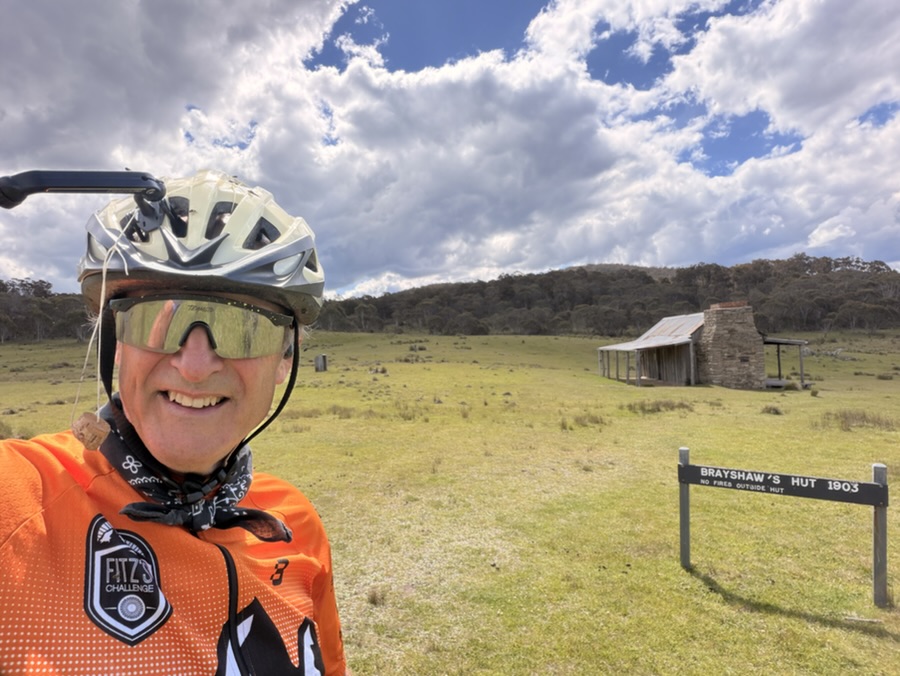
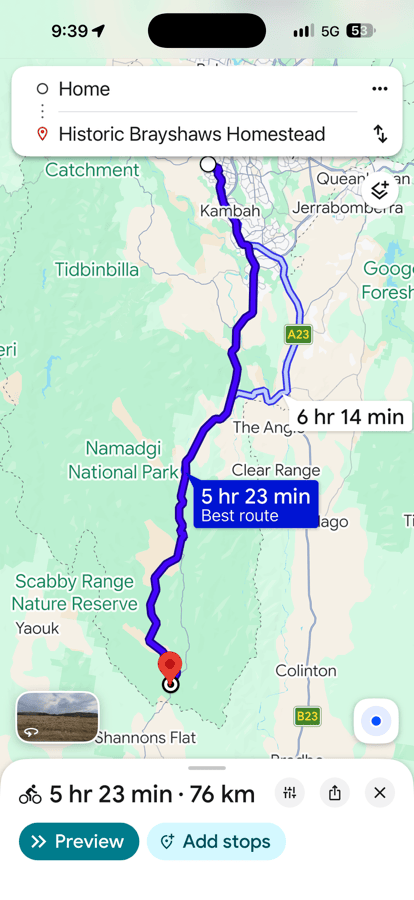
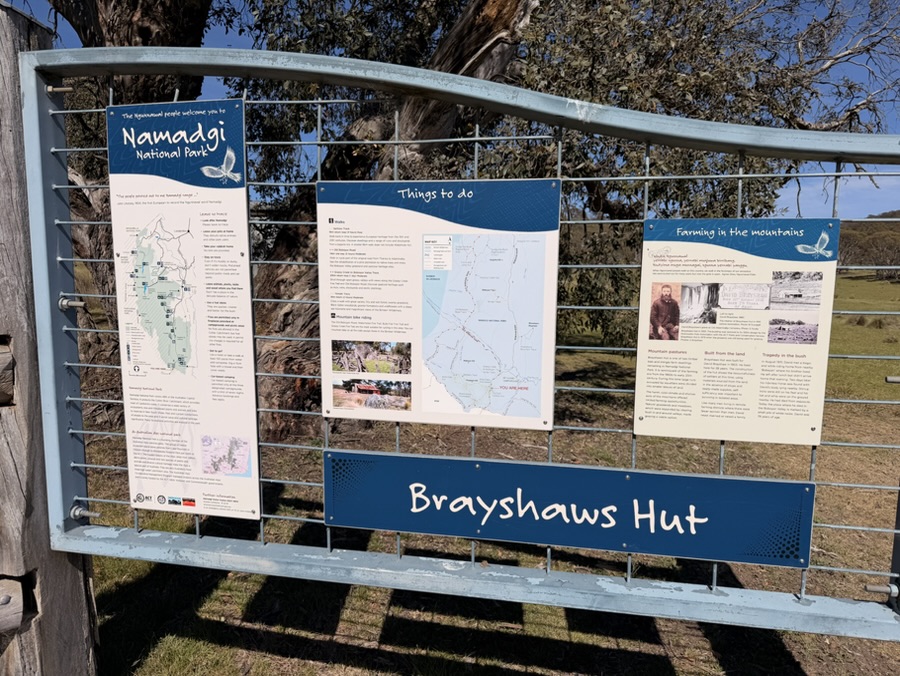
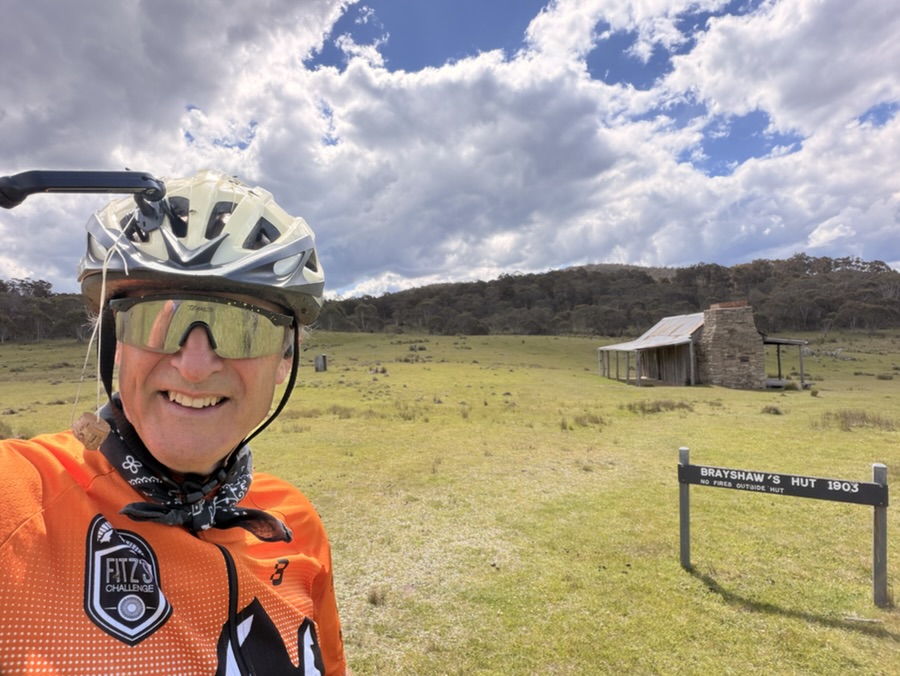
My destination for the first night was Brayshaw’s Hut, near the southern boundary of the ACT.
The ACT has a number of historic timber huts originally built by local farmers who needed shelter while working in this harsh and often isolated region. I’d passed two abandoned huts on my earlier trip to Mt Clear Campground along the Naas Valley Fire Trail. Since the surrounding land is now part of a national park, those buildings are no longer occupied.
Brayshaw’s Hut, however, had been rebuilt to its original condition, thanks to the efforts of local people. It was a lovely gesture, preserving a small piece of the region’s history for others to enjoy.
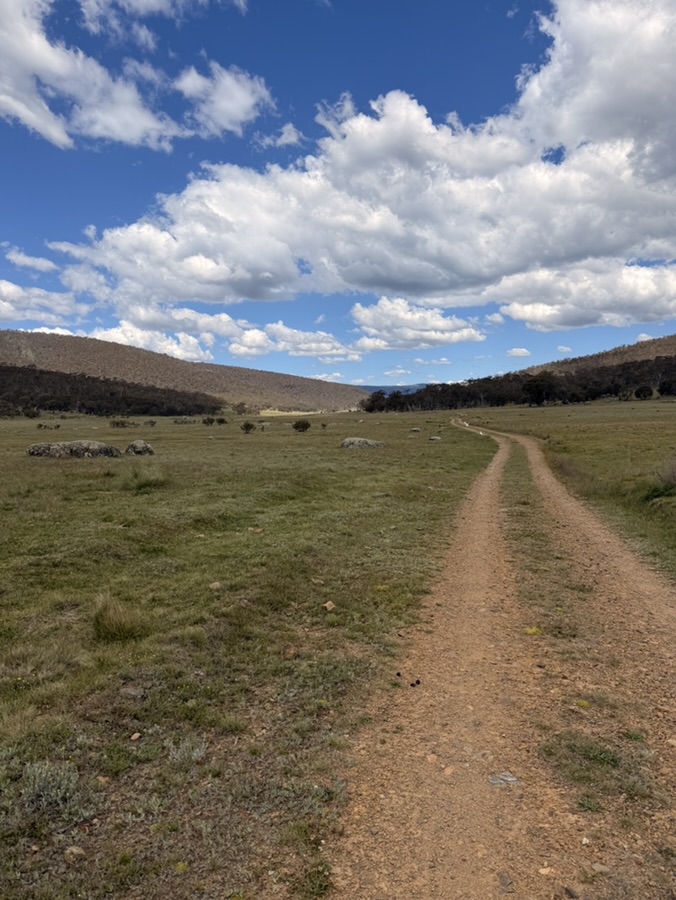
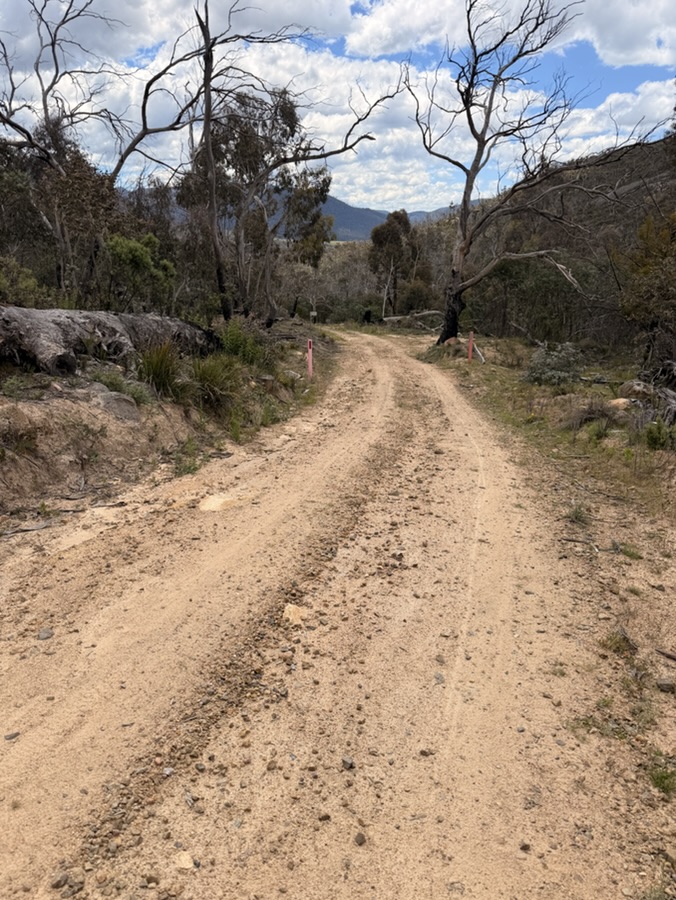
It would also be my first campsite of the journey.
After months of planning, training, buying equipment, modifying the bike and conducting a few rather unsuccessful practice runs, I was finally doing it.
The first pedal strokes were behind me. Thirteen days lay ahead.
Melbourne was still a long way off, but there was no turning back now. At least, not without admitting to my wife that she’d been right all along.


Leave a Reply