
What comes to mind when you hear the words “train wreck”? Chaos. Disaster.
A spectacular series of mistakes that spirals out of control.
I once watched a television series called Trainwreck, which examines real-life events that descended into public catastrophes. Two episodes have stayed with me: Woodstock ’99 and the infamous Poop Cruise.
The Woodstock incident was particularly disturbing. Intended to recreate the spirit of the original 1969 festival, it became a lesson in poor planning. Attendees endured extreme heat with little shade. Food and bottled water were sold at inflated prices. Portable toilets were insufficient and eventually overflowed, contaminating the grounds. Security was overwhelmed as frustration turned into violence, riots, and numerous reports of sexual harassment and assault. Which sounds awful.
The Poop Cruise episode told the story of a four-day voyage from Texas to Mexico carrying more than 4,000 passengers. On the return journey, an engine-room fire disabled the ship’s power, leaving it stranded in the Gulf of Mexico. Without electricity, passengers lost air conditioning, refrigeration, propulsion, and most memorably, functioning toilets.
Sewage backed up into bathrooms, hallways, and cabins. The Gulf heat became unbearable, forcing many passengers to sleep on deck. Food supplies became limited as refrigeration systems failed. Tempers flared as the ship drifted helplessly at sea. Looking back, parts of the story were almost comical, a reminder of how quickly things can unravel when one critical system fails.
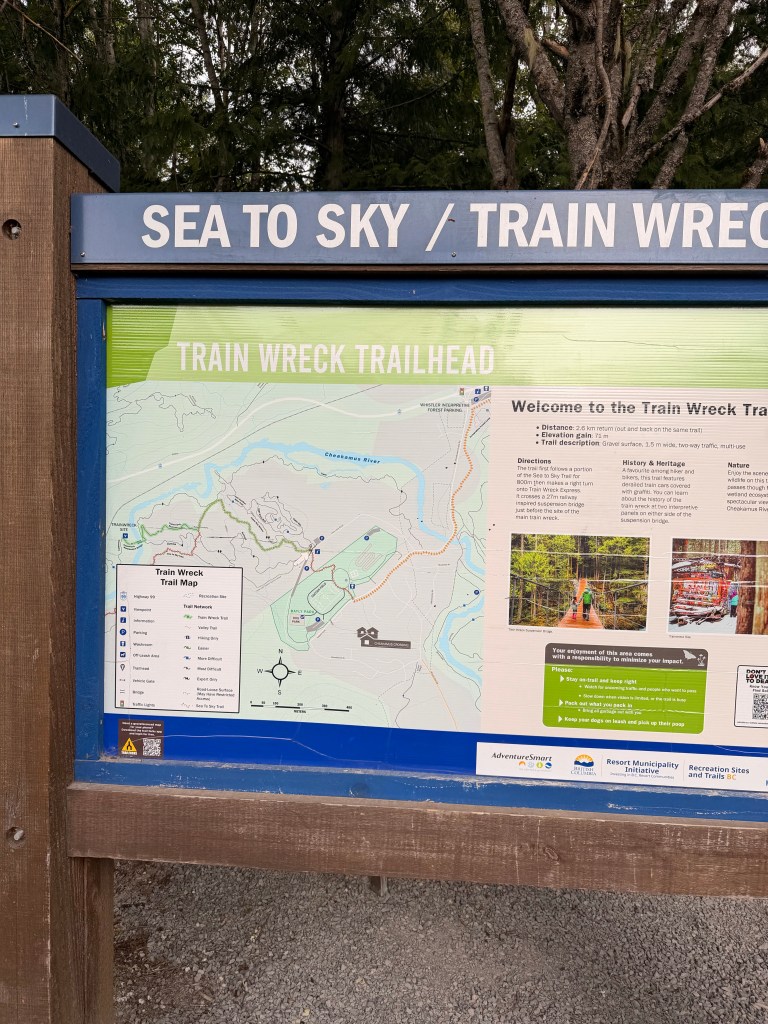
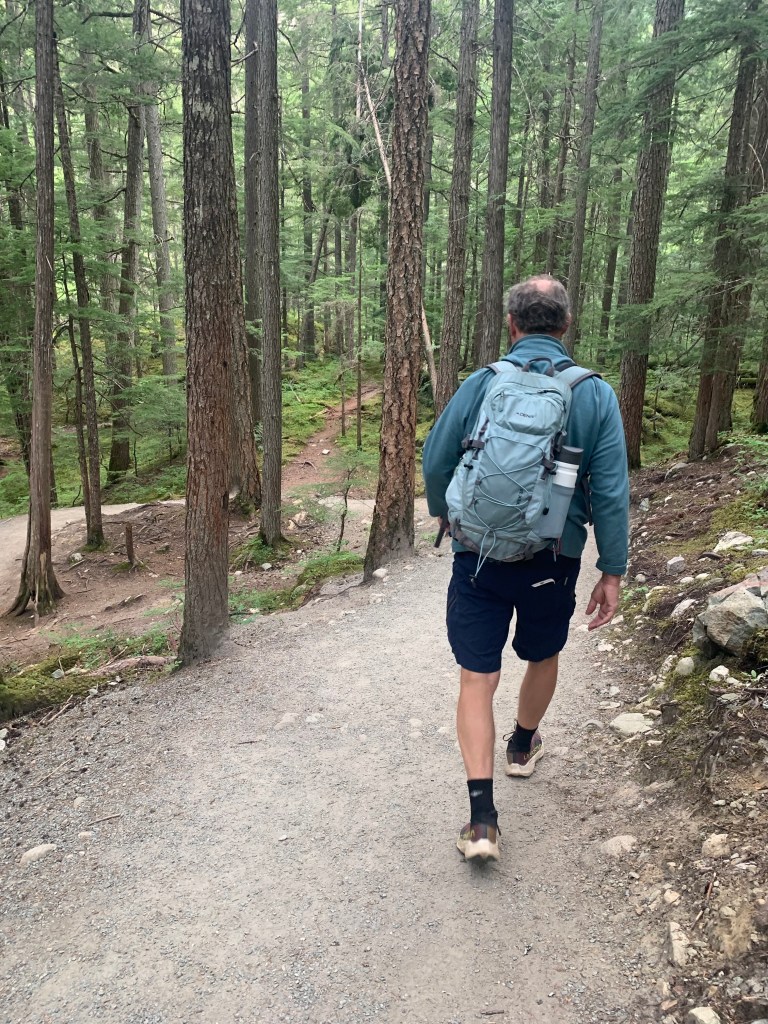
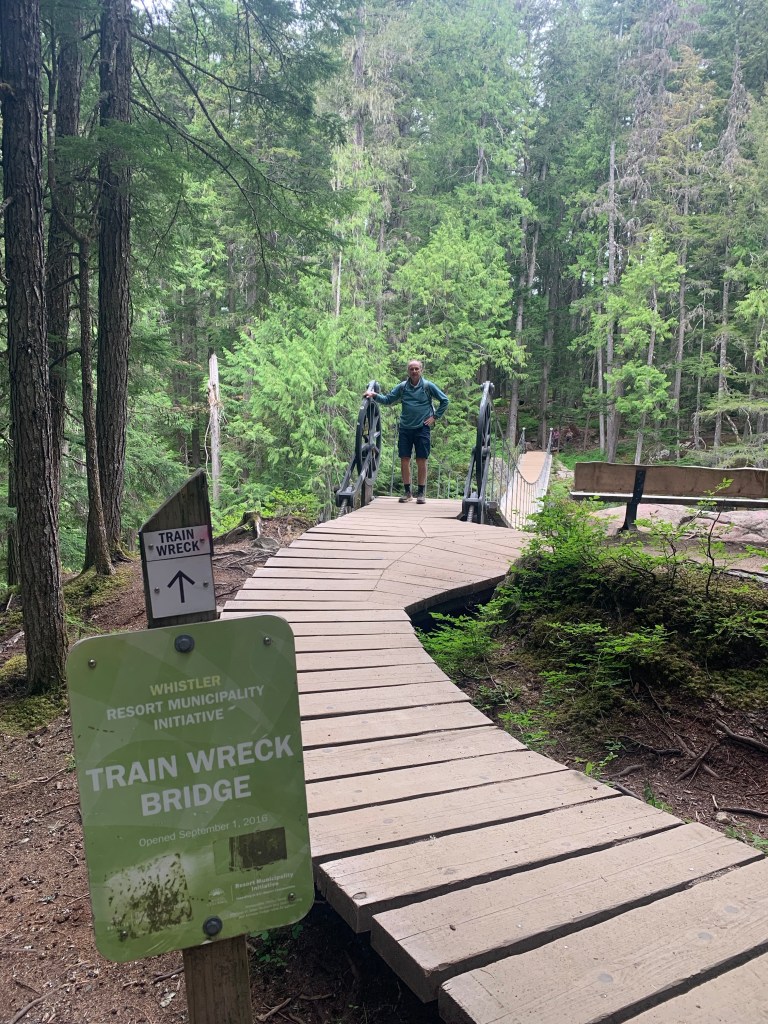
So when I heard I would be walking a trail called the Train Wreck, my first thought was simple: what went wrong here?
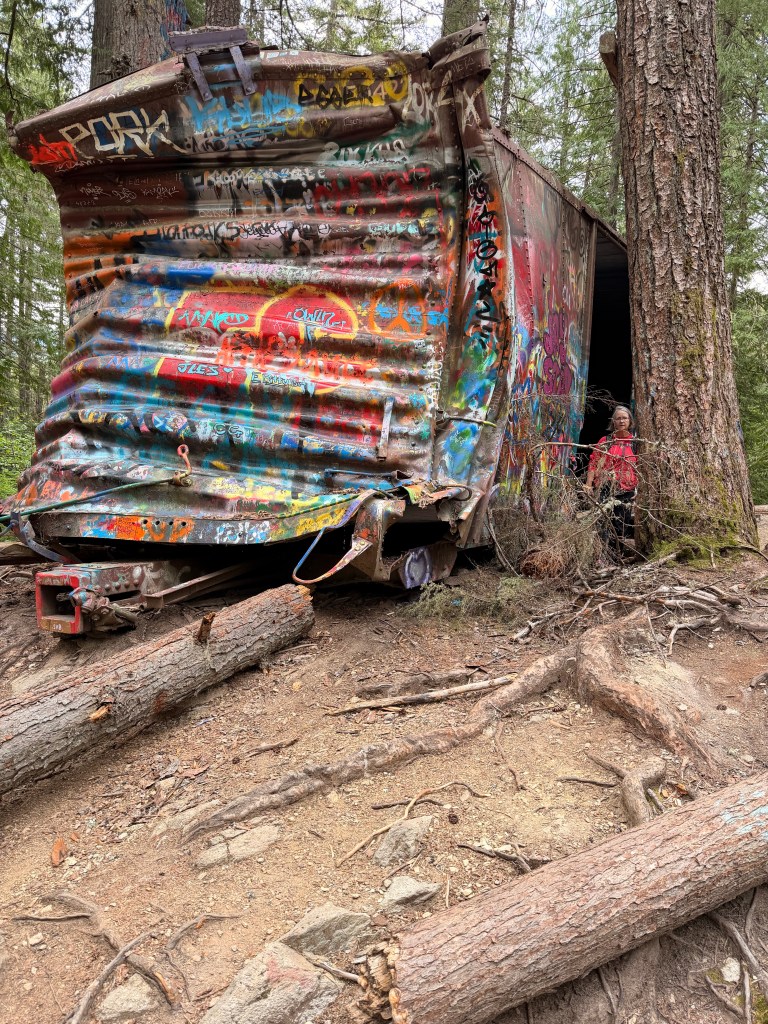
The answer goes back to 1956. A freight train carrying lumber was travelling south of Whistler. Running behind schedule and heavily overloaded, the engineer entered a section of track under repair at roughly twice the posted speed limit. The train derailed, leaving several heavily loaded boxcars wedged within a narrow rock cut along the railway. By Gee! “I’m late” scenario. Certainly not as disastrous as the previous two scenarios. Although it became another scene where physics beats humans needs.
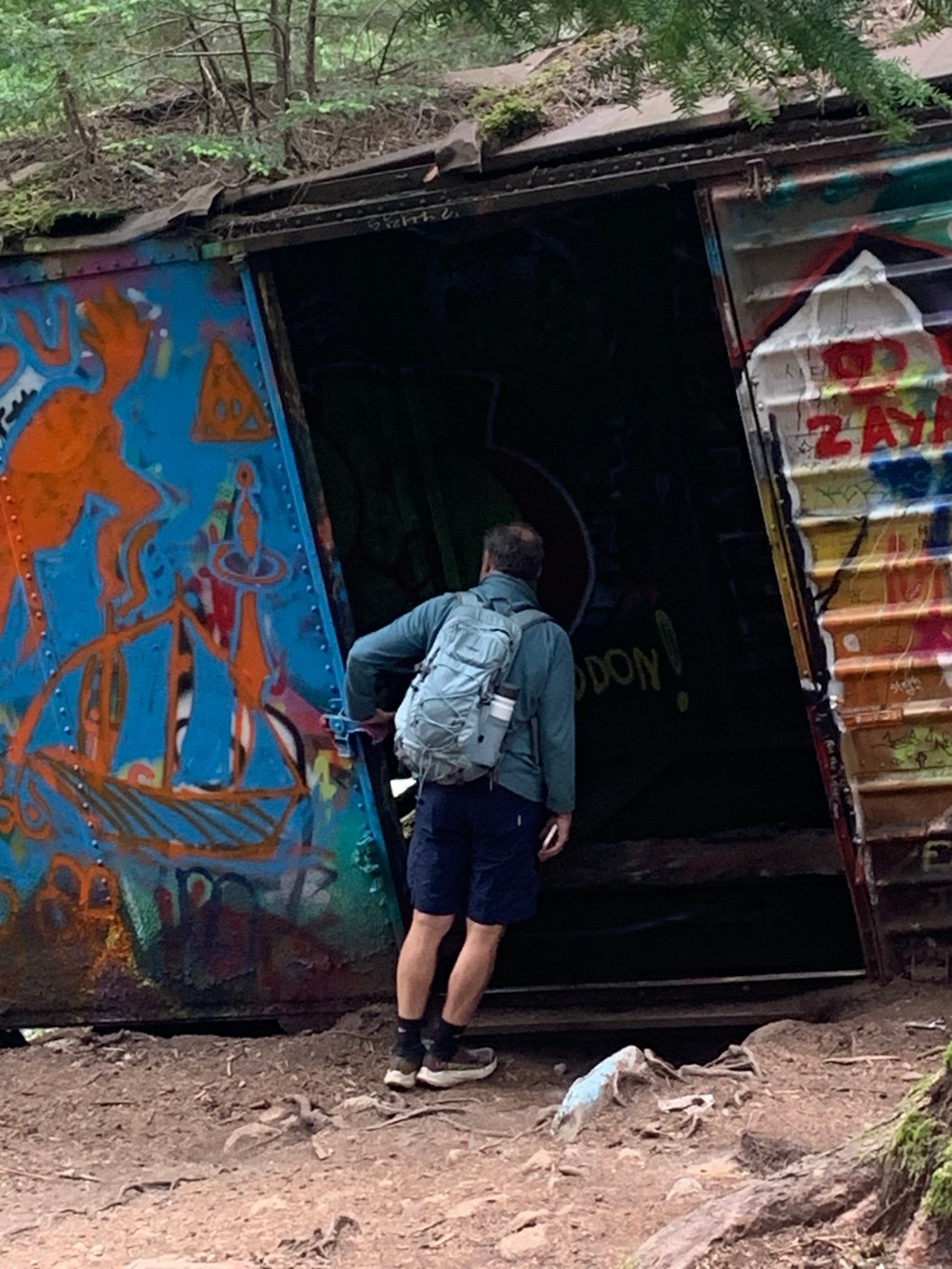
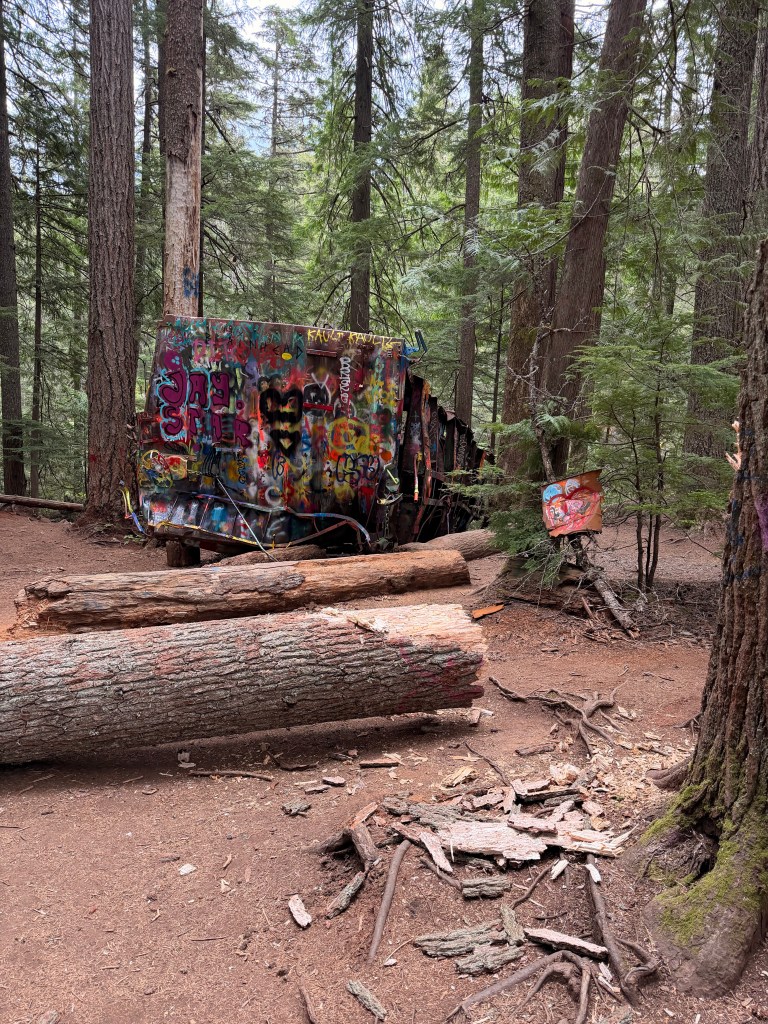
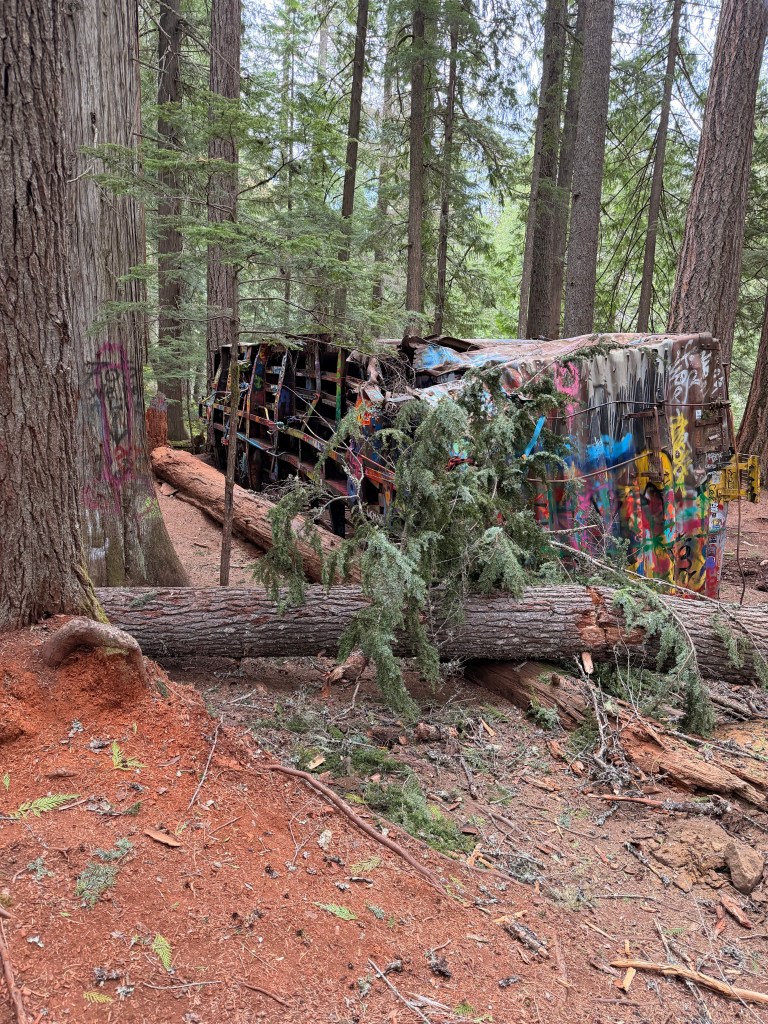
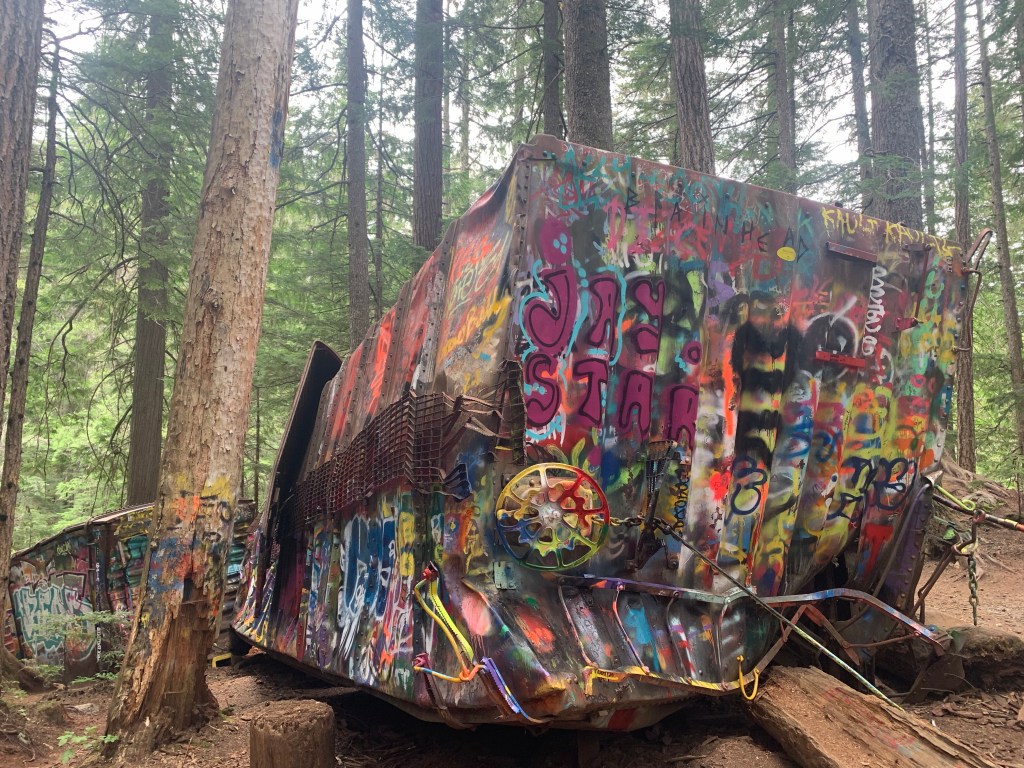
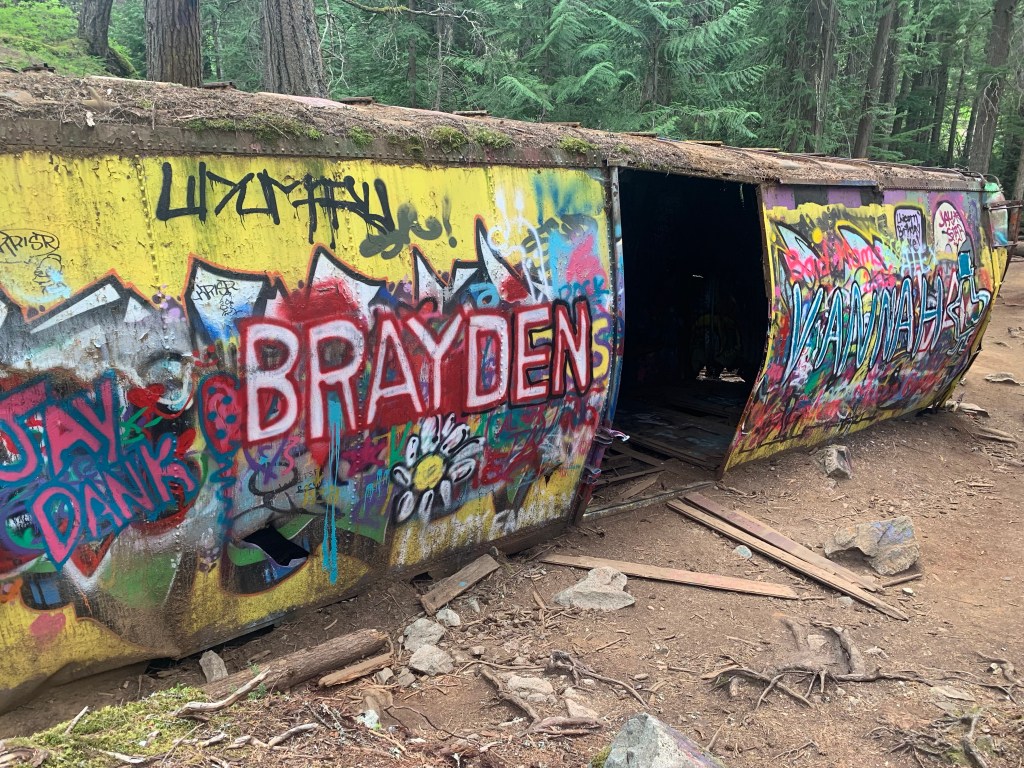
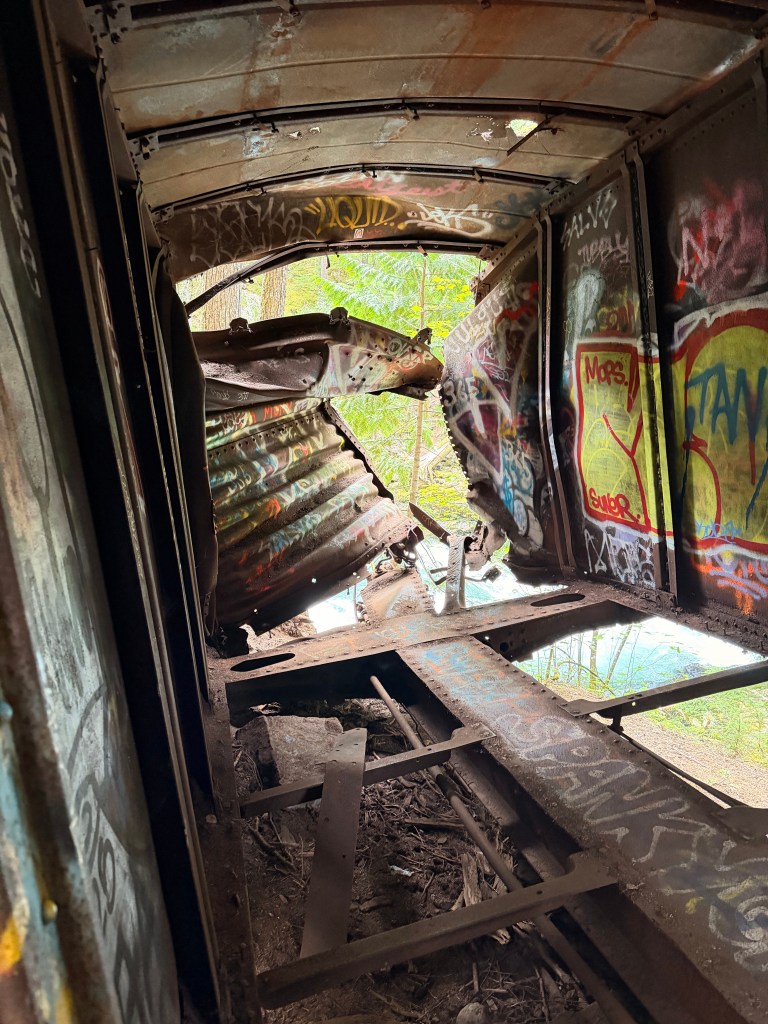
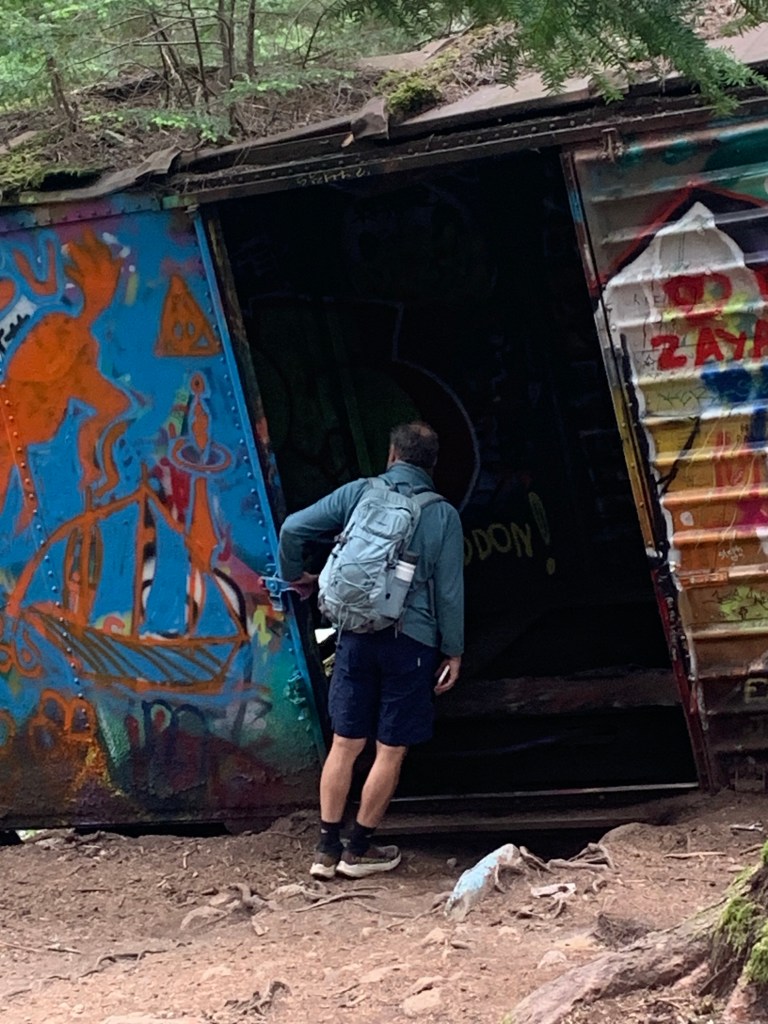
Today, the Whistler Train Wreck is no longer defined by the accident itself. Instead, it has become a place where history and art coexist. Rusting boxcars from the 1950s, covered in colourful graffiti, rest among towering cedar and fir trees beside the tracks. It was not at all what I expected, but it turned out to be a surprisingly unique and worthwhile attraction.


Leave a Reply