
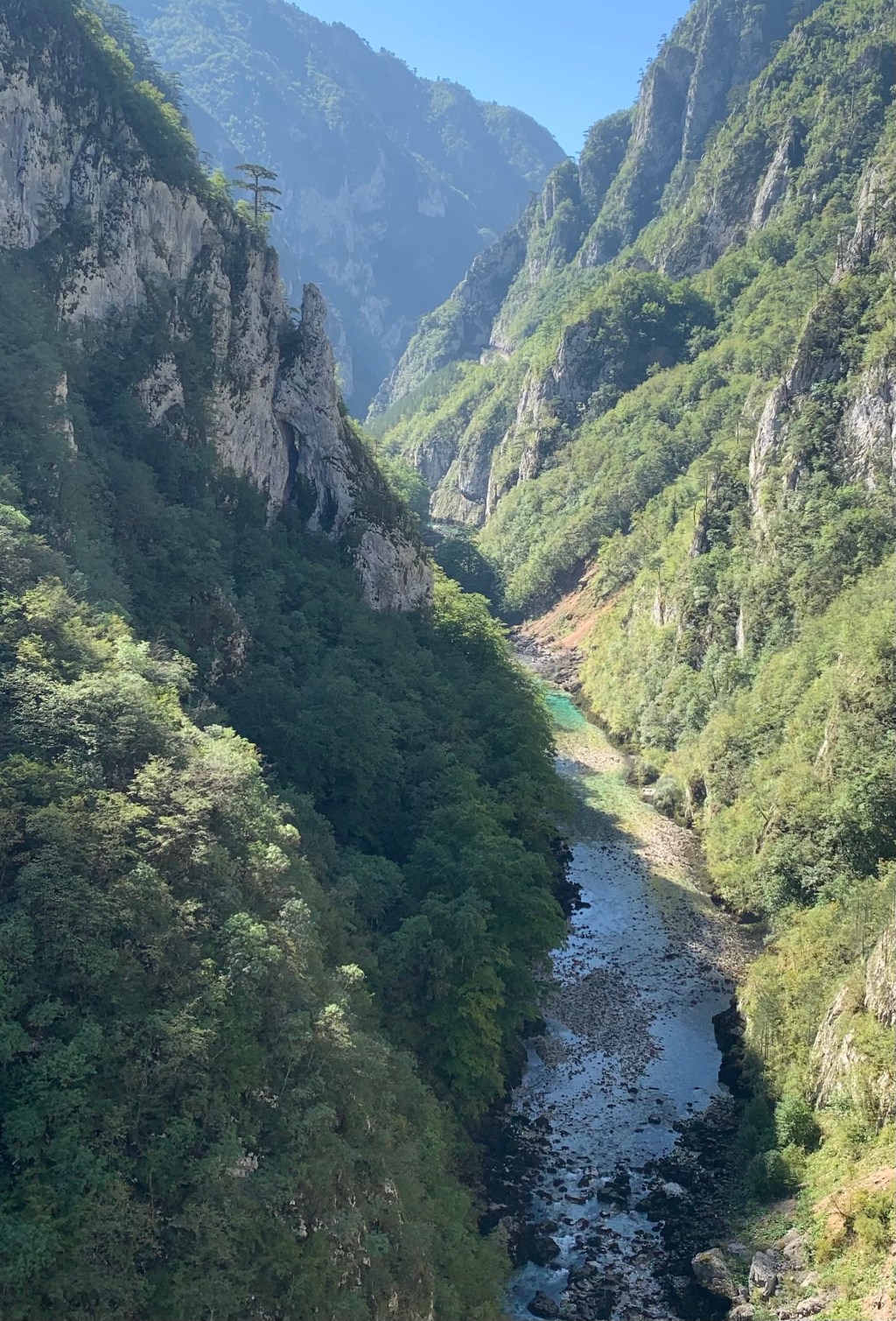
Nestled along the ledge on the steep terrain, Anton hides from the invading fighters. The retreating local leader remains silent; any scrape, footfall, or breath could be heard above. He crouches still, which feels like eternity. He’s been on the run since dusk, and the enemy caught sight of him near the canyon. He strained his left quad and now feels the pain as he squats. He shifts his footing for relief. His boot dislodges a rock, which rolls down the hill. Anton hears a soldier above shouting in Slavic, “buka ispod,” meaning Noise below! Hearing the click of rifles, his cover is blown; it’s time to move.
Anton jumps off the perch into the bushes, descending into the ravine. He feels a sting in his calf as he falls. The drop is sudden, and the terrain is quite steep. He lands on his belly. The gunfire stops. Everything aches, but he manages to stay still, hoping they wouldn’t come down to check if he’s alive. Minutes turn into hours, and he’s not sure whether he’s lost consciousness. The pinch in his leg persists. He moves further down the ridge to a more stable position. Clearly, the combatants must not have bothered to investigate and have left. He needs to check his leg. The night is dark, and no moon is visible. He must move off the bluff to a safer spot. If they return later, they’ll know he’s still alive. The ground is thick with scrub, which might help conceal him. He knows this area and predicts his location. The river below isn’t far; he’ll use it to move further down the gorge to a small secluded gully. He tries to stand, but the pain in his calf is overwhelming. Might be a gunshot wound. He checks his leg and finds it wet. He feels around and finds two holes, possibly an exit wound. Relief washes over him; getting that far might help his recovery. He tears a strip from his pants and ties it above the wound to stop the bleeding. He tries again to stand, but the pain prevents him. He swears in his own language. Ironically, the same language as his enemies.
One battle after another, factions and movements sprang up everywhere, craving their homelands and more. Nothing made sense. Once, they were one united communist country, forced to be as one—no culture, no religion, all equal. Now, they were divided; the powerful ruled, and the military had control. Who has the biggest guns, the most fighters, the strategies, and the knowledge to win? But it comes at a price: who do you follow, where are you from, and what do you believe in? Killing your fellow citizens, colleagues, or neighbours to achieve someone else’s aims.
The light in the sky was rising in the East, and it was time to move. Anton crawls down the hill, trying to stay quiet. The prickly forest leaves scratch his arms and hands. He hears the spring rapids; the water would be icy cold, which might help his leg. But too long in the water can cause hypothermia. The flow will carry him away from his village, though there’s a town nearby the river that he needs to avoid. Another troop could be stationed there. His descent ends, and he feels the soil between his fingers. The riverbank is thick with scrub, but exposed roots could serve as good handles. He slips into the icy water; adrenaline keeps him warm against the chill. He floats on the surface for a while, sensing colder water from a gully creek. He grabs onto roots on the bank. Luckily, he succeeds and pulls himself out. He climbs the bank and crawls to the entrance. He stops at a flat spot and removes his clothes to ring out the water. Shivering, he needs warmth; a fire’s out of the question. He begins to dig a hole and cover himself with foliage. The ground is soft and dry, which he’s relieved to see—otherwise, he’d climb higher. He finds a sharp rock to dig deeper.
The sun is high when he’s settled into the hole, then covers himself with branches and leaves. If the enemy passes by, they might not stop, though they’ll know people hide in holes like his. Soldiers comb the forest or lay landmines on animal trails to flush them out. The educated man lies in his own waste for three days and nights without food or water. Then he hears footsteps near his hole, and his eyes flick open from his dazed state. The pain in his leg has lessened, but he knows it’ll return if he moves it. He hears a familiar voice—the tones of his neighbour. He debates whether he should reveal his location. Perhaps his mate’s been coerced by the enemy to find the hiding place.
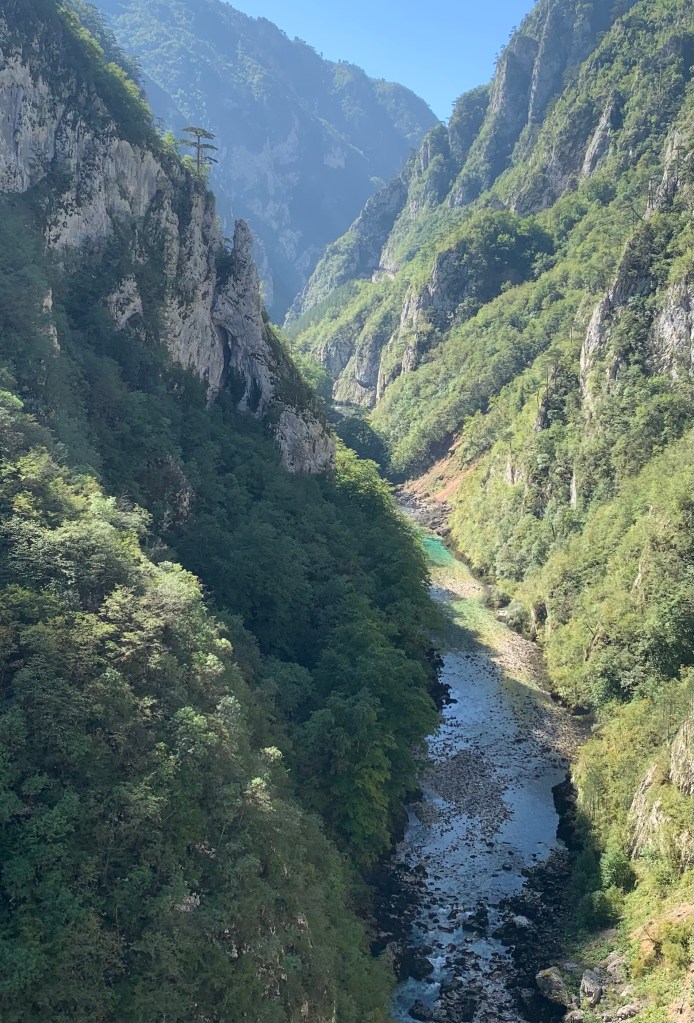
He thinks, “There is no point living if your most trusted friend turns on you.” He cautiously leans out of his hole, a brave move he must take. His long-time friend jolts up in surprise. The friend is careful; landmines are planted all over these woods. The leader appears dark, grubby, and unrecognisable. He speaks softly but firmly. “Ivan, it’s me, Anton. Are you alone?” Ivan stares in the direction of the familiar voice, unsure if he’s hearing things. He hasn’t spoken to his university mate for years—since the start of the war. He’d been chained in the neighbouring village as an architect, designing housing for the communist government. But that’s all changed since the regime shift. Now he’s laying low, helping the local council spy on enemies. He knew Anton well and was relieved to hear his voice. “Anton? Is that you?”
Anton feels relieved and asks, “Is it safe?” “Yes, but it depends on which side you’re on,” replies Ivan. “Ah, my most trusted friend, it’s good to see you.”
Anton mentions his injury and worries whether he can walk. It’s day five, and he’s hungry. The last three nights, he slipped out to drink from the river. But searching for food is impossible now. Ivan reaches into his pack and gives him some dry biscuits. Ivan looks at his wound and sighs. It doesn’t look good—signs of liquid coming from the injury. He tells Anton he’ll return in two days since he’s on a critical mission. Anton remains hopeful but cautious, knowing his friend is already risking his life on the battlefield in their homeland, six months earlier.
Ivan returns three days later with three aged women; no men could come. They carry him to a farmstead on the hillside, further down the river. He stays there for four more weeks until his leg heals.
Reflecting on the past, Anton recalls standing on the platform, looking at delivery trucks; he was in charge of the district’s farming machinery. He knew he had to repay the villagers and farmers who looked after him. He lived in their basements until he healed—they risked everything for him. The enemy knew he was still alive and asked the villagers about him. But they didn’t give him away, even if their families might be slaughtered for harbouring a traitor. The trucks were loaded with machinery to help rebuild the community—an effort he personally funded. As the last truck left, he felt a slight pain in his calf—an ever-present reminder of the most vital part of his life. The moment when his community united to help someone in need. He smiled and turned.
Thanks to Petar our Intrepid guide for this short story.
 Chefprefers BLOG
Leave a comment