
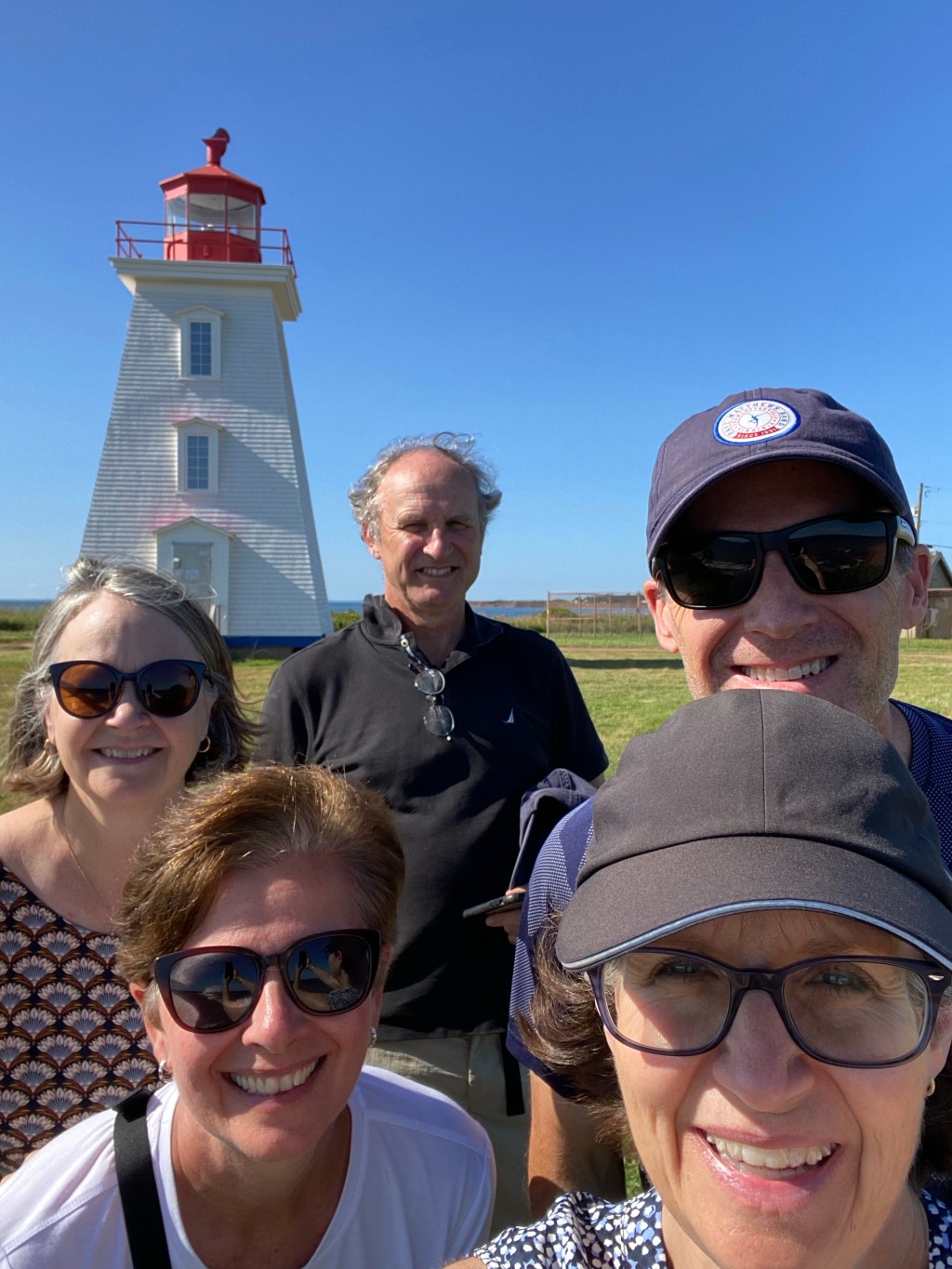
We arrived at the twin town of Miramichi, north of New Brunswick.
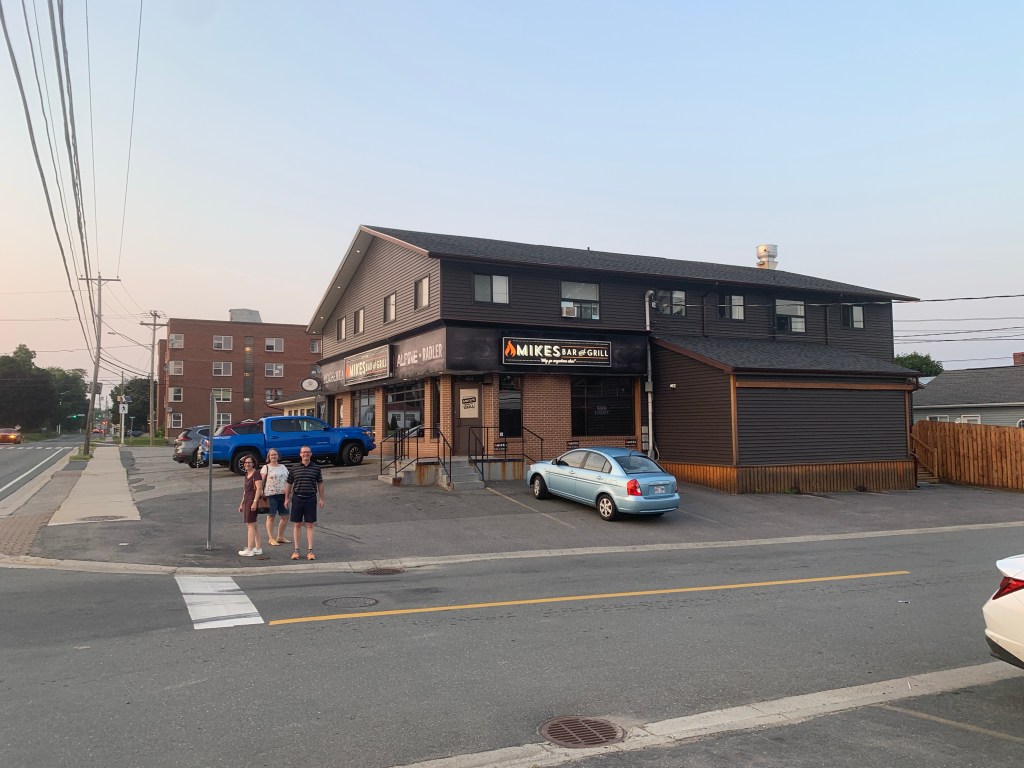
It took us about 14 hours to drive the Chevrolet Malibu down Highway A85 from Ottawa via the Saint Lawrence River. The last three hours were tunnelling through a very dense and thick forest. You watched trees go by so fast that you had to keep your eyes closed. So I slept. Mostly, my Australian sleeping patterns were still there. Miramichi were two towns on either side of the Miramichi River. Newcastle and Chatham. And for provincial forced reasons, they amalgamated. My thoughts on this simple metropolis were that it was a drive through town to nowhere. The Days Inn was our bed for the night. We walk to Mike’s Bar and Grille across the road near the ice rink. The restaurant was a standard Canadian bar where you would expect wings, ribs and beer. Although I had the turkeyless veggie soup and a simple sandwich labelled Mike’s Smoked Meat. We were interrupted by a local redneck slumped at the bar who was offended that we were seated at our table looking at our smartphones. That thought alone gave you the impression of this community. They were perhaps stuck in the dark ages.
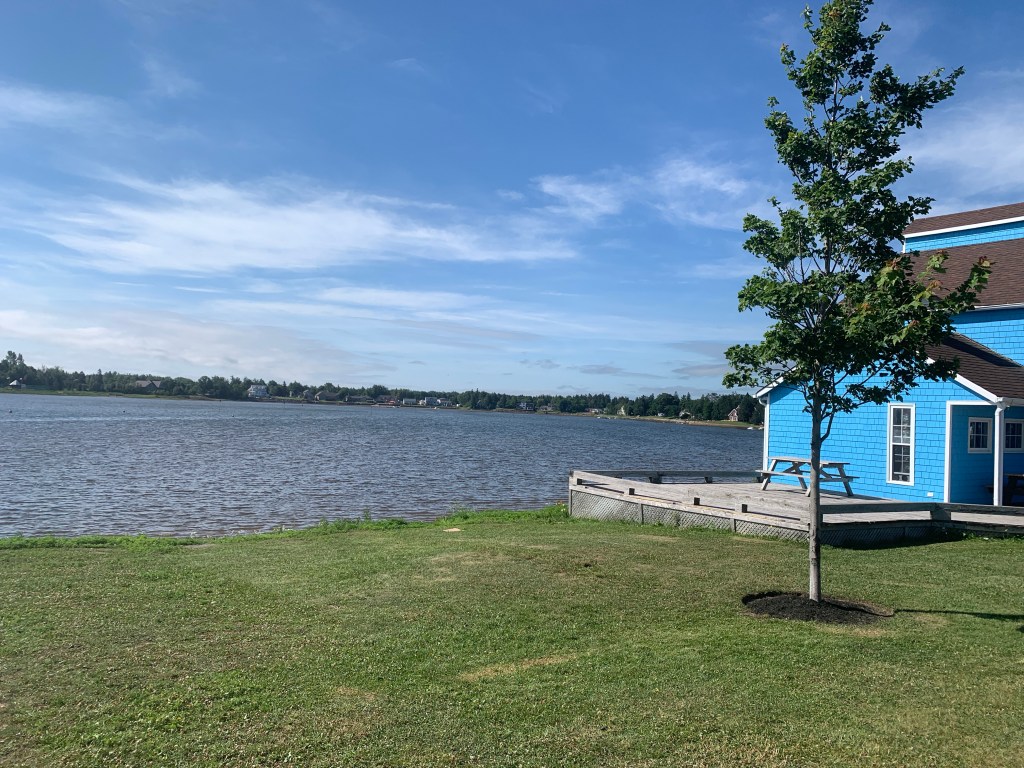
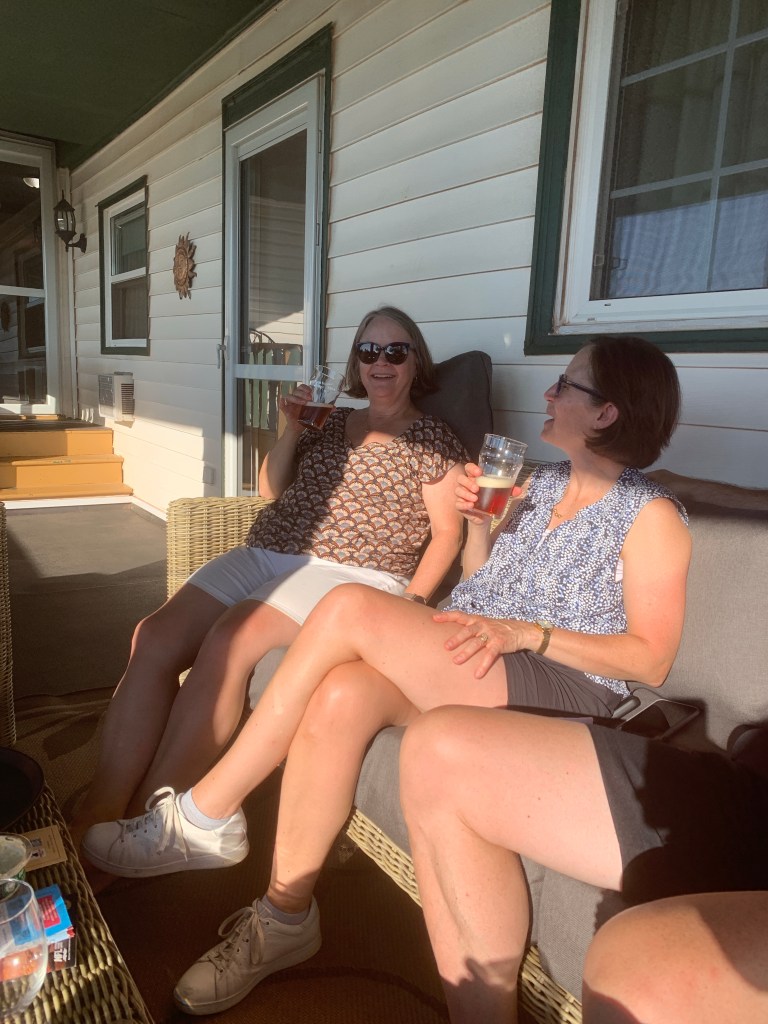
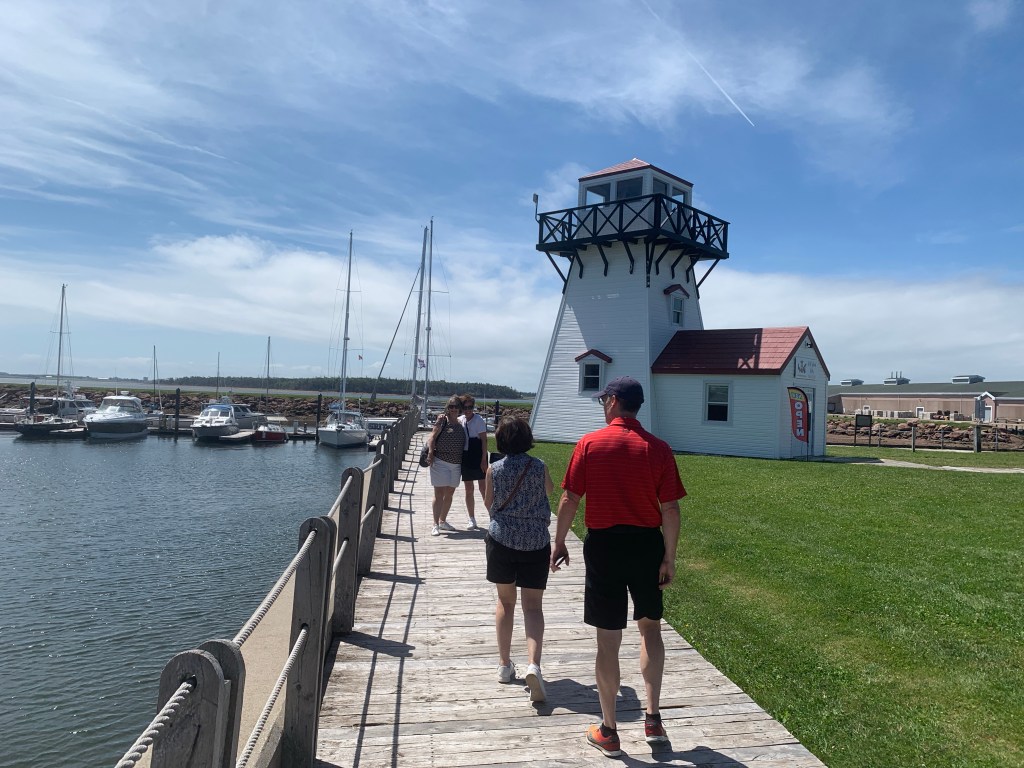
We drove to PEI (Potatoe Excessive Island) over the $50 Confederation toll bridge the next day. The 13km crossing was a long venture, taking about 15 minutes. We caught up with our long-time friend who lives in Nova Scotia. She joined our touring through the West Coast. For lunch, we stopped at the Summerside wharf and dined up on the open balcony of the Deckhouse. It was a beautiful setting, with smells of the sea air, birds chirping, and waves lapping. This is the first time I’ve had seafood chowder for over thirty years. And it turned out that I had this delicious bowl for every meal. The waiter was a young 20-something, and his accent sounded very Irish; I asked him whether he was from here.
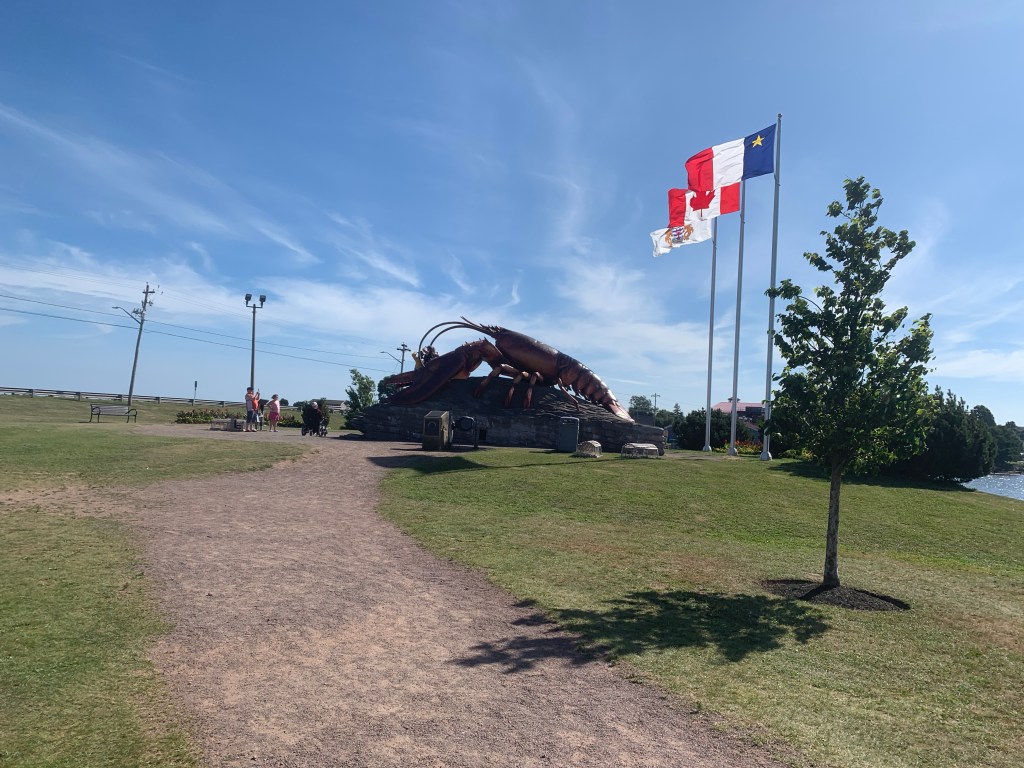
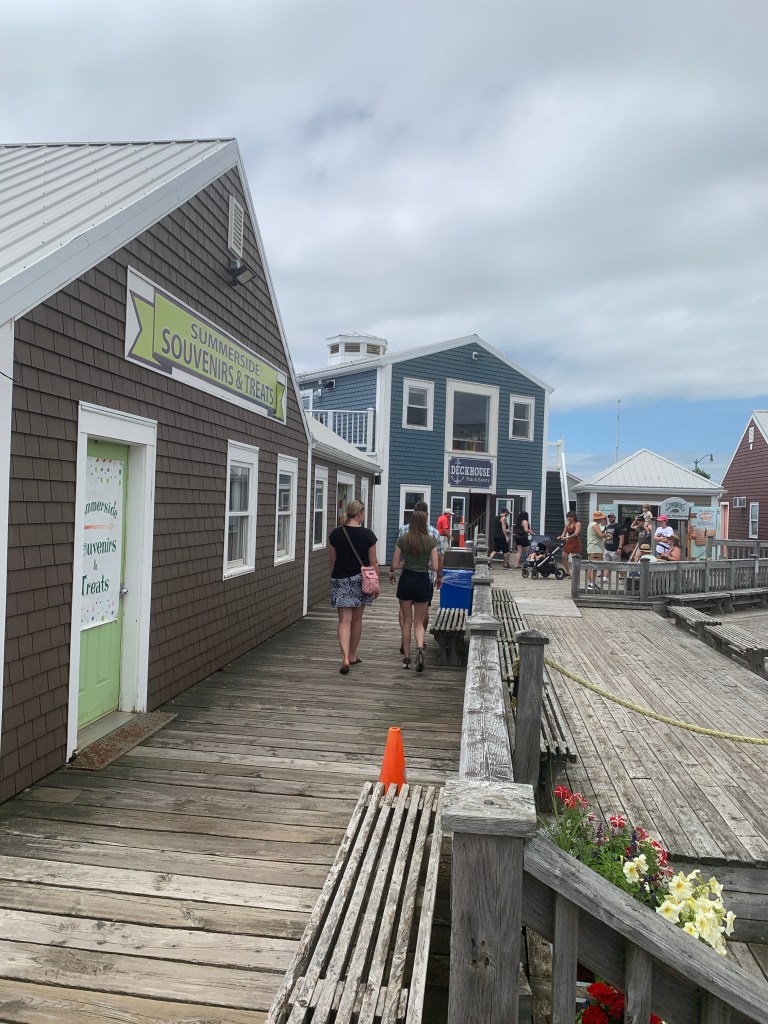
Meaning PEI, and his response was, “No! I’m from Kensington. I didn’t know where that was at the time, but it turned out to be 20 km up the road. It’s kind of like me saying I’m from Duffy instead of Australia. It’s all a perspective.
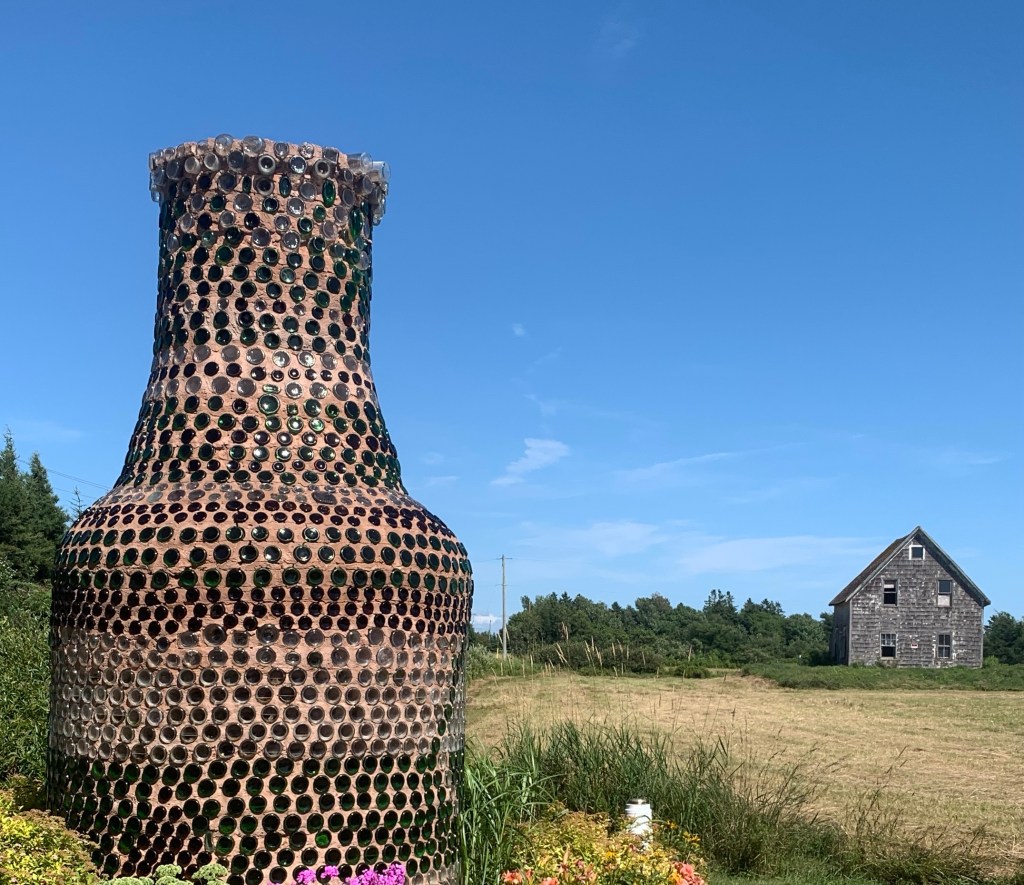
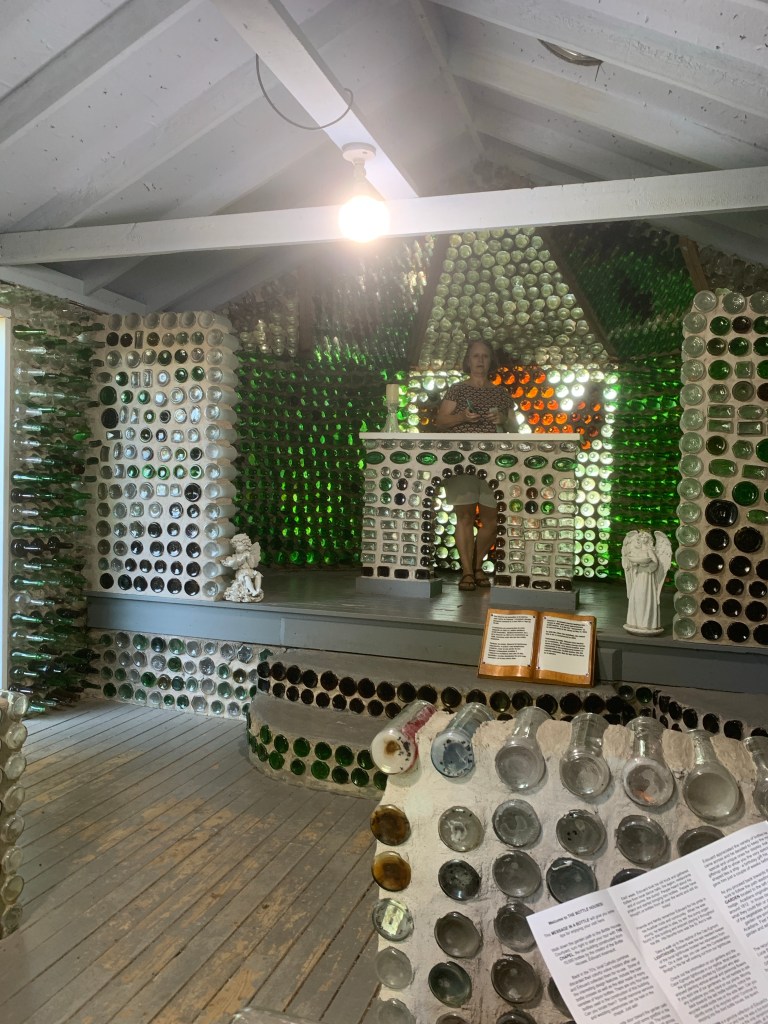
After a quick stop at the info centre, the information brochure stated there was a house made out of bottles. A local PEI farmer, Edouard Arsenault, decided to recycle most of the bottles from the local towns and build a bottle house. There were a few small bottled huts and a chapel on the property. It’s an interesting building technique: He had to stagger the bottles like they do with bricks instead of stacking them straight up and across. Stacking them would cause cracking.


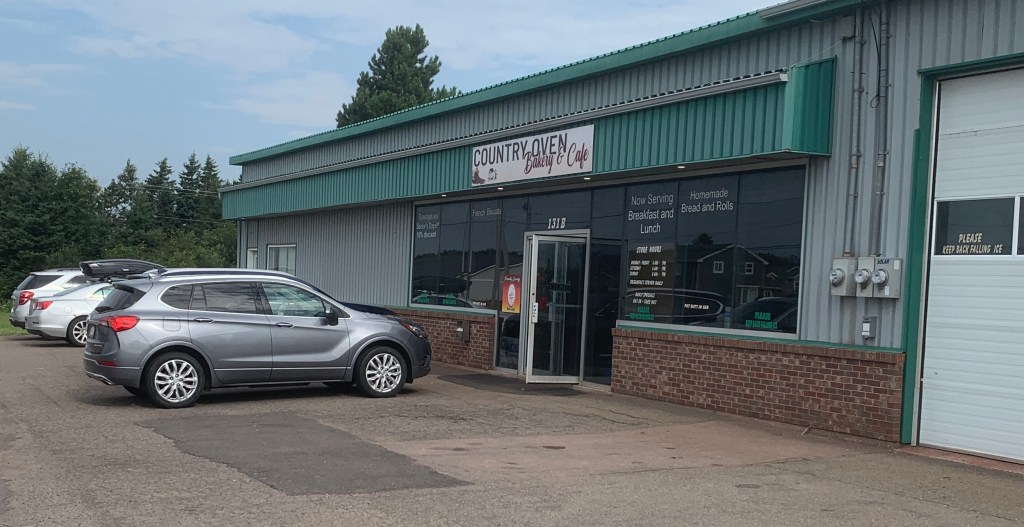
We finished our tourist drive at Miscouche. The Prince County guest house was an old village pub run by an owner who wanted it to be a hotel. While sitting out on the covered balcony having a local pizza for dinner at the guest house, we met Musa, an epidemiologist from Nova Scotia. He was in town public speaking on alternative food therapy and consumption. This is an exciting topic, and after travelling through PEI for the last five days, I noticed a trend. There is an excessive amount of obese people here. I’m not sure it’s because of the excessive potatoes consumed here. Every restaurant wanted to serve you burgers and fries. I wonder when a high population of potato growers eat lots of potatoes. Potatoes are known to have high volumes of carbs. Perhaps that is the reason. The oval brown carbonators (potatoes) are grown throughout PEI. On our second day, the inn didn’t supply breakfast, so we went to a side-of-the-road cafe, which looked like a gas station. Lots of pickup trucks were parked out the front.
We entered, opening the springy screen door, which closed with a bang! The sound drew the attention of the patrons, all turning their looks as to say, “You effing idiot” Well, a smile wasn’t going to satisfy this mob. Sheepishly, we found a table. The restaurant was nothing fancy, although the guests looked like they had been there before. Most are overweight, wearing singlets and flip-flops. Mate, we were in Bogantown. The waitress confirmed it with her no-frills demeanour: “What do you want?” like she was in a hurry. You were going hungry if you didn’t want eggs, bacon, pancakes, and a bucket of home fries. After our meal, we left the establishment, leaving the screen door to go “bang!” again.
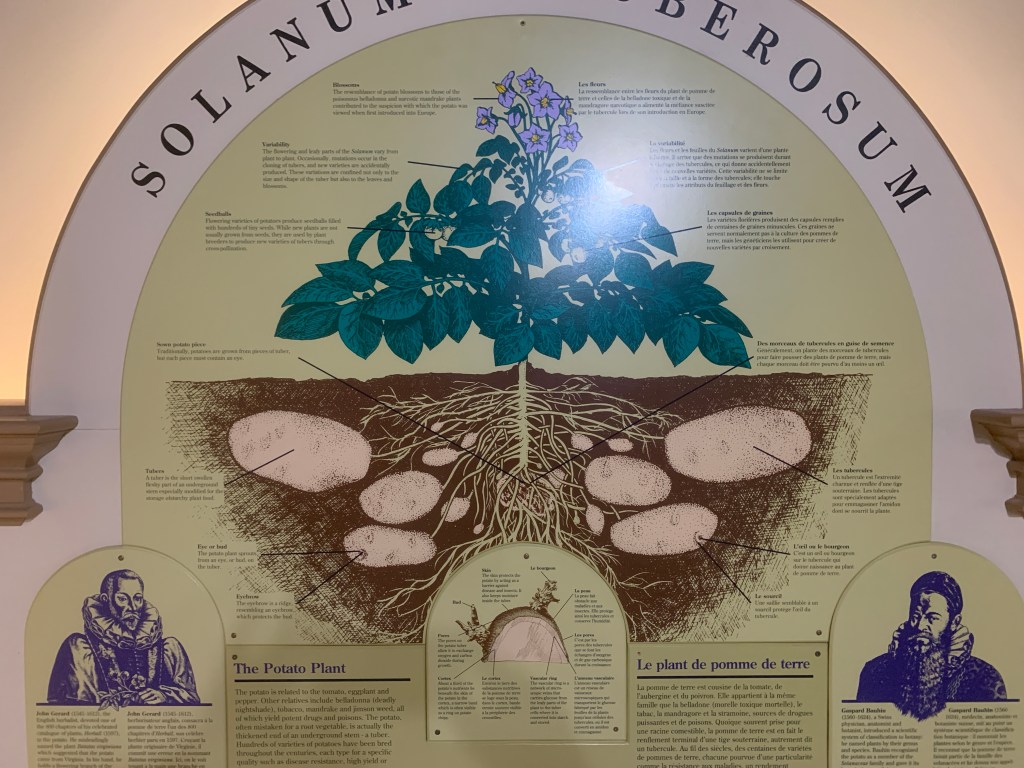
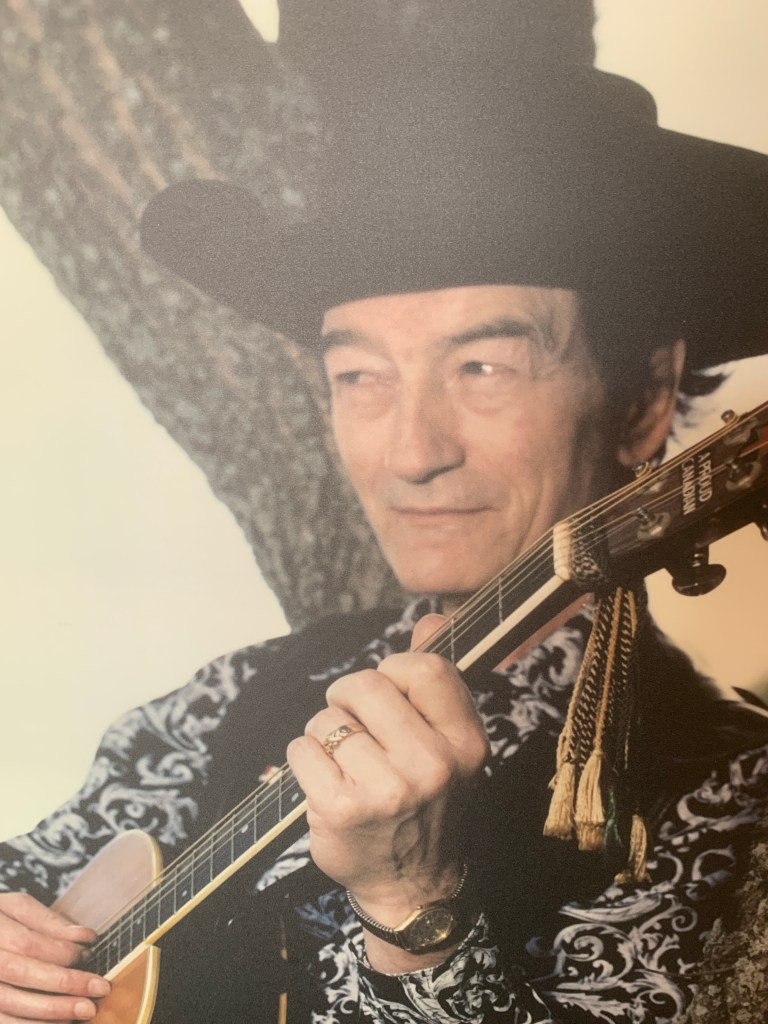
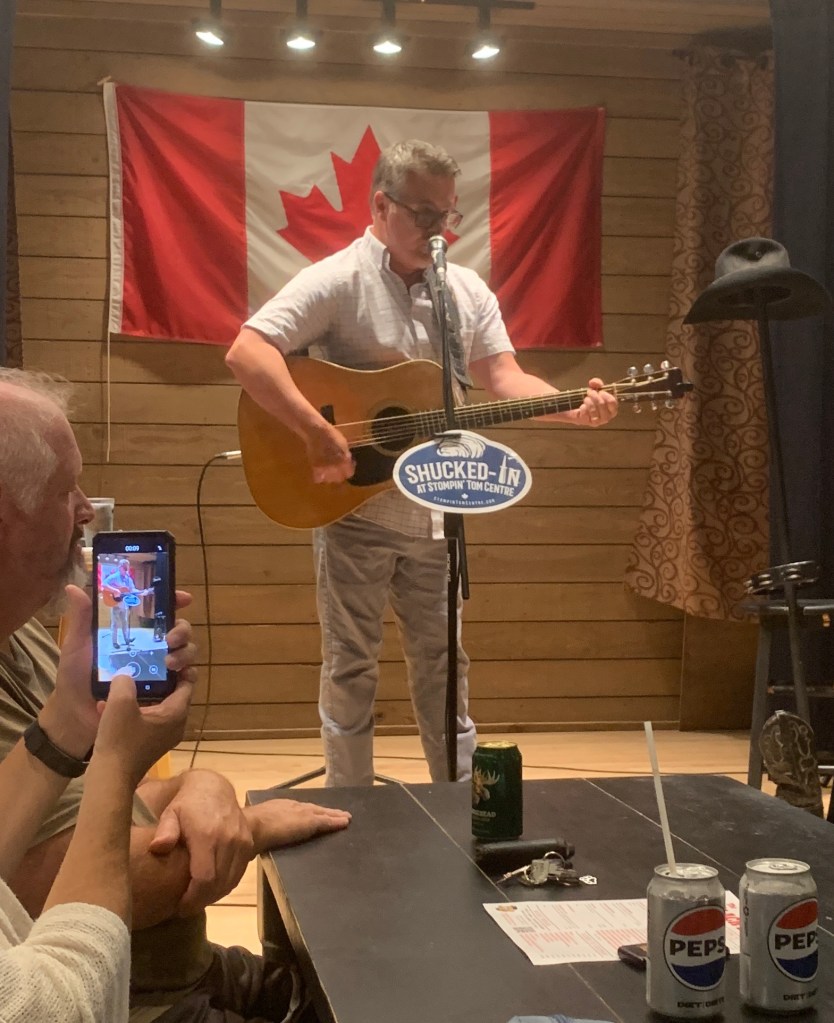
This is where we said goodbye to our Nova Scotia friend, where she headed east to catch the new Glasgow ferry, and we headed West to see some lighthouses. For the height of the tourist season, the roads were pretty empty. We ventured along the beautiful farmlands of the West Coast and visited Egmont lighthouse and North Point. We stopped at Yes, a Potato museum. It provided some insight into the history and production of potatoes on the island; we walked away and bought a container of chocolate dip potato chips. Wow! That’s a winner. However, you might want to devour them because they became a soggy mess if you leave them too long in the car. Luckily, the weather was warm, perhaps 30 degrees, too warm for the islanders. I only packed so many shorts and T-shirts; the rest was for cooler weather. One islander mentioned that the climate was rare for this period to be this warm. For lunch, we came across a place called the Stomping Tom Centre. It had free live music playing every day at 1 pm. Stomping Tom was a famous Canadian country singer and songwriter who used to stump his feet as he played. Today’s performer simulated it for us as we sat on long bench tables eating chowder and burgers. The feel of country was in the room, and most guests sang along. My sister-in-law signed up to get shucked in. It’s a process where you stand on the stage and repeat a set of values after the performer—after then slurping an oyster and shooting a vodka.

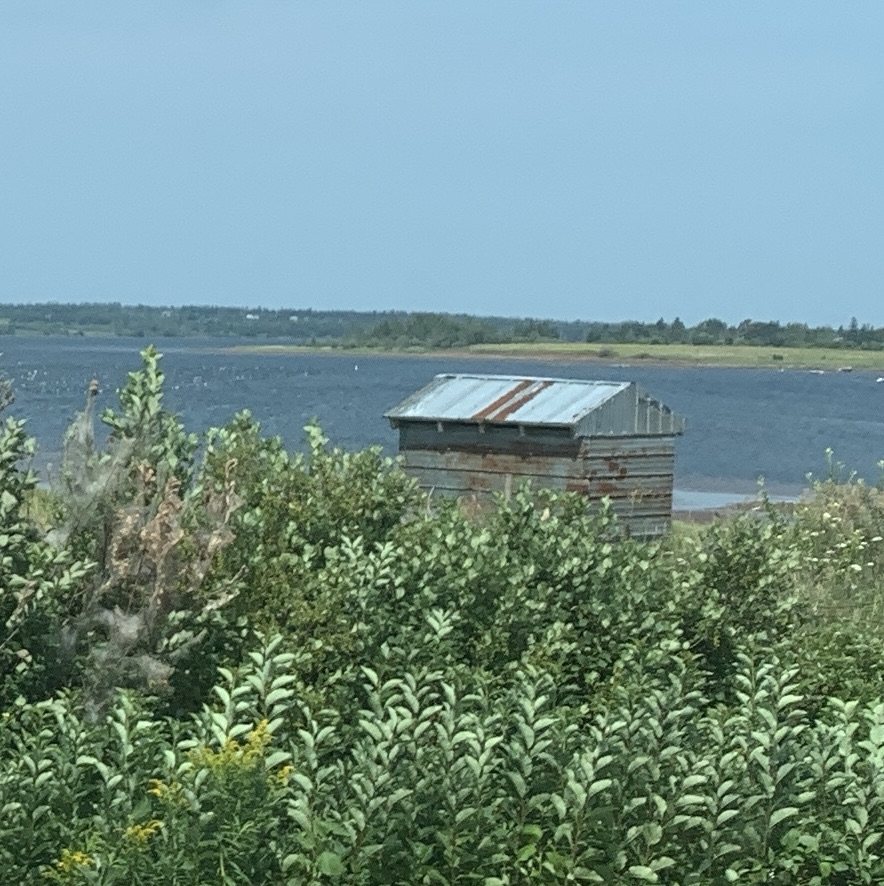
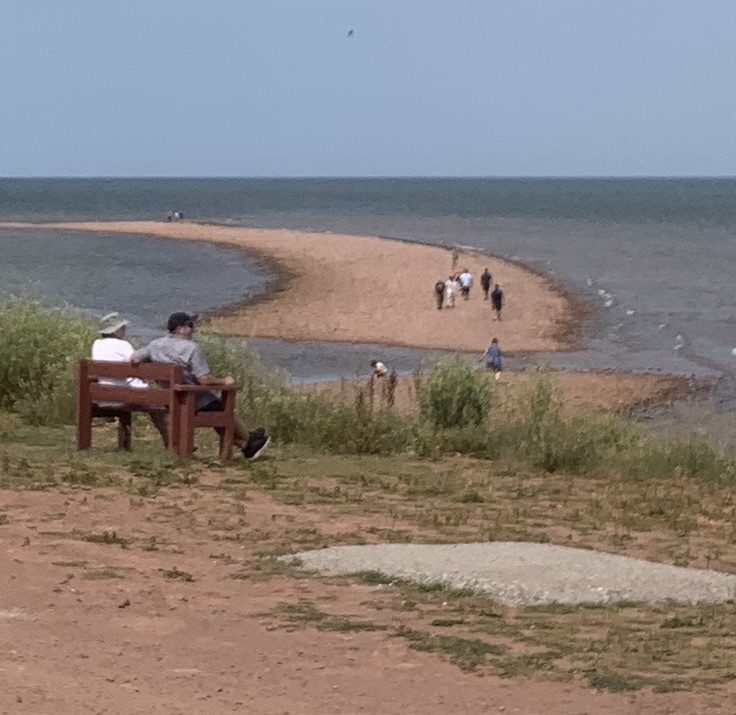

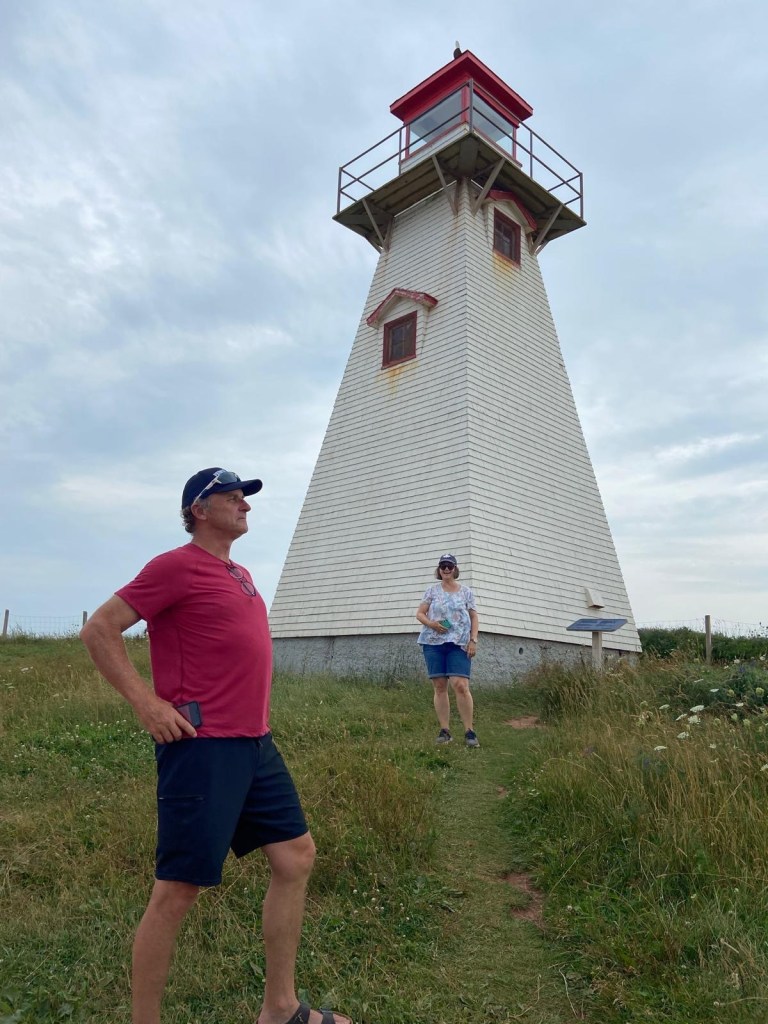
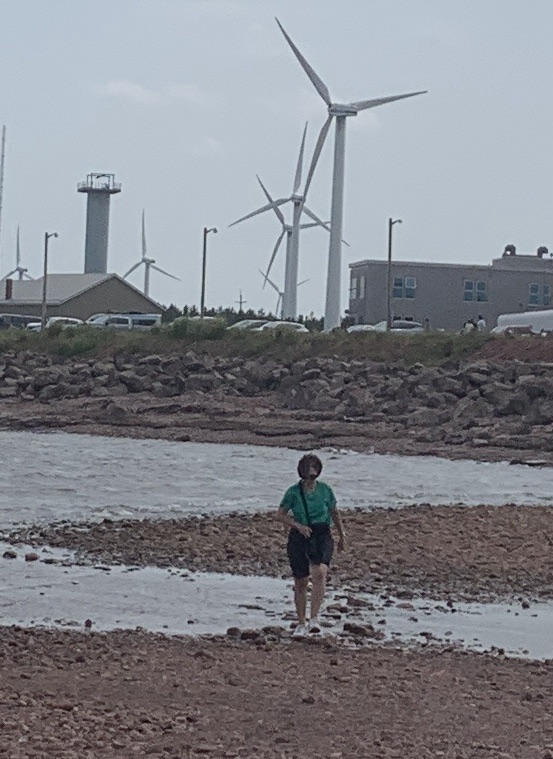
As you would expect, the North Cape provided more lush green farmlands and, for economic reasons, a series of wind turbines, evidence that it could be very wet and windy here. The open country provided a freshness of nature. Farming consisted of mainly sowing crops and not sheep and cattle, therefore not having the manure aroma. The waterways around the coastline were full of mussels, oyster trays, and lobster traps. Fishing and molluscs appeared to be the dominant resources here.
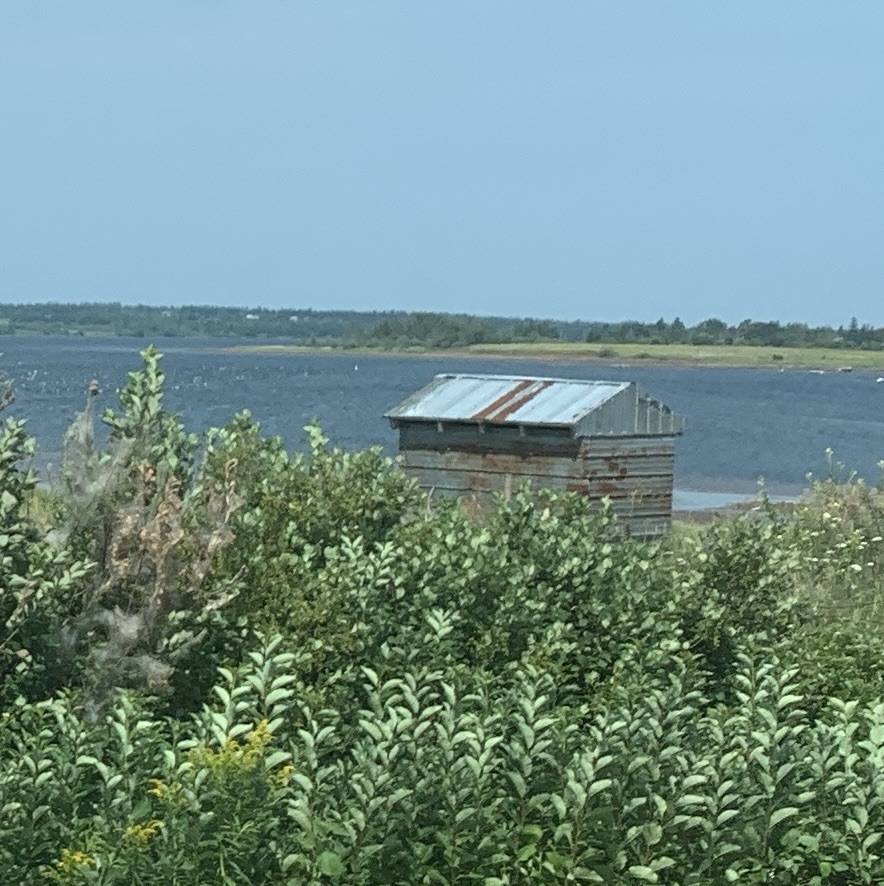

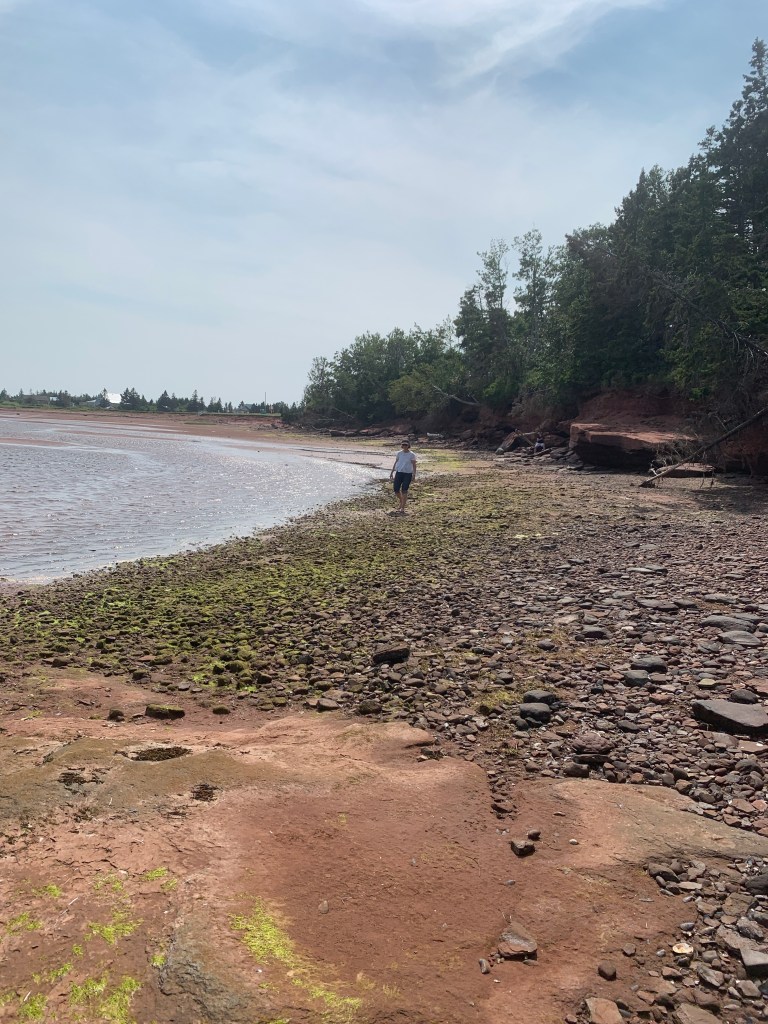
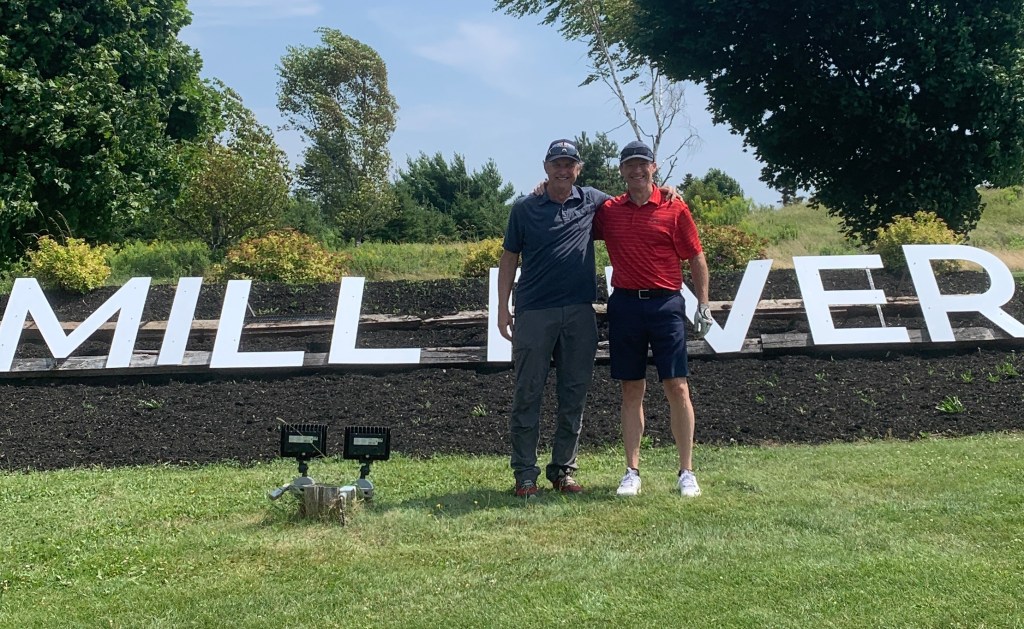
Mills River Resort provided our night stop—an exquisite golf resort that was very comfortable and expensive. My brother-in-law and I trotted 5k around the course backwoods. I read that there was no natural forest, meaning at some stage, the island had been completely cultivated in PEI. You wouldn’t believe it from the surrounding grounds.
In the next post, we will visit the homelands of the author who wrote the story of Anne of Green Gables.
 Chefprefers BLOG
Leave a comment